The store will not work correctly in the case when cookies are disabled.
JavaScript seems to be disabled in your browser.
For the best experience on our site, be sure to turn on Javascript in your browser.
Video Inspection Systems
Video Inspection Systems
Omano
7X-45X monocular zoom magnification
Click stop settings for precise magnification
C-Mount camera attachment
4-Inch Working Distance
Included 0.5x Barlow lens
Included focus block
Omano
Complete digital inspection system
Choice of seven OptixCam USB microscope cameras
7x-45x Zoom Microscope Lens
Click stop zoom settings for precise magnification
0.5x Barlow lens for over 6.5" working distance
LED shadow free ring light
Lifetime Limited Warranty
Best Seller
Omano
Complete video boom inspection system
Choice of several OptixCam USB microscope cameras
7x-45x zoom microscope lens
Generous 4-inch working distance
Click stop zoom settings for precise magnification
0.5x Barlow lens for over 6.5" working distance
Choice of 4 boom stands
Shadow-free LED ring light, optional upgrades
Lifetime Limited Warranty
Omano
High definition 1080P HDMI or 2.0 MP USB output (Windows only)
Streaming 1080P HDMI output direct to monitor or TV
HDMI video capture resolution of 1280 x 720P @ 30 fps
Auto white balance for color accuracy
Optional Micro-SD card output (card sold separately)
80 LED ring light or optional upgrades
V3 platform stand
Omano
High definition 1080P HDMI or 2.0 MP USB output (Windows only)
Streaming 1080P HDMI output direct to monitor or TV
USB Image capture resolution of 20 MP
HDMI video capture resolution of 1280 x 720P @ 30 fps
Auto white balance for color accuracy
Optional Micro-SD card output (card sold separately)
Omano
Expansive 11.6-inch TFT-LCD color display
1080p LCD Display, HDMI & Flash Drive output
Full Resolution Image capture 2592 x 1944 (5MP)
Full Resolution Video 30 FPS @ 1920 X 1080P
SONY IMX335 5MP CMOS 1/2.8" chip sensor
Auto-Sensing Input Power 100V - 240V
No PC or software required
7x-45x zoom monocular microscope lens
Generous 4-inch working distance
80 LED shadow-free ring light
Solid V3 pole stand with beveled corners
Omano
Expansive 11.6-inch TFT-LCD color display
1080p LCD Display, HDMI & Flash Drive output
Full Resolution Image capture 2592 x 1944 (5MP)
Full Resolution Video 30 FPS @ 1920 X 1080P
SONY IMX335 5MP CMOS 1/2.8" chip sensor
Auto-Sensing Input Power 100V - 240V
No PC or software required
Upgraded 7x-45x stereo microscope head
Simultaneous camera/eyepiece use
Included WF10x eyepieces
Wide V3 base plate for stability
Included Ring illuminator
Omano
Expansive 11.6-inch TFT-LCD color display
1080p LCD Display, HDMI & Flash Drive output
Full Resolution Image capture 2592 x 1944 (5MP)
Full Resolution Video 30 FPS @ 1920 X 1080P
SONY IMX335 5MP CMOS 1/2.8" chip sensor
Auto-Sensing Input Power 100V - 240V
No PC or software required
Superb, top-of-the-range-optics
6.5x-45x zoom stereo microscope head
Wide V3 base plate for stability
Stainless steel post
Included ring illuminator
Omano
Expansive 11.6-inch TFT-LCD color display
1080p LCD Display, HDMI & Flash Drive output
Full Resolution Image capture 2592 x 1944 (5MP)
Full Resolution Video 30 FPS @ 1920 X 1080P
SONY IMX335 5MP CMOS 1/2.8" chip sensor
Auto-Sensing Input Power 100V - 240V
No PC or software required
6.5x-45x zoom stereo microscope head
Premium articulating V7 boom stand
Included ring illuminator
Included C-Mount Adapter
Omano
Expansive 11.6-inch TFT-LCD color display
1080p LCD Display, HDMI & Flash Drive output
Full Resolution Image capture 2592 x 1944 (5MP)
Full Resolution Video 30 FPS @ 1920 X 1080P
SONY IMX335 5MP CMOS 1/2.8" chip sensor
Auto-Sensing Input Power 100V - 240V
No PC or software required
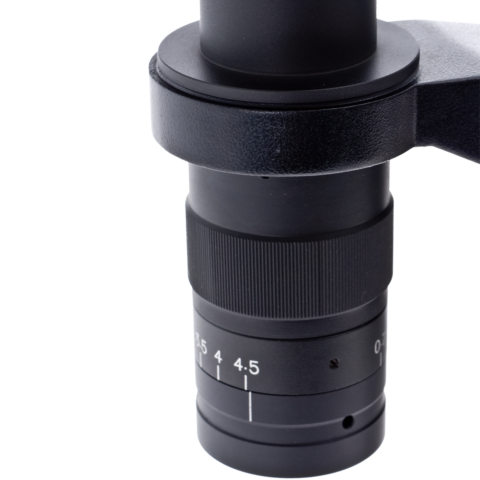
Lab quality 6x-50x zoom video inspection lens
Standard coarse focus or optional coarse/fine focus (shown)
86mm standard working distance
156mm working distance with 0.5X Barlow Lens
Education Center
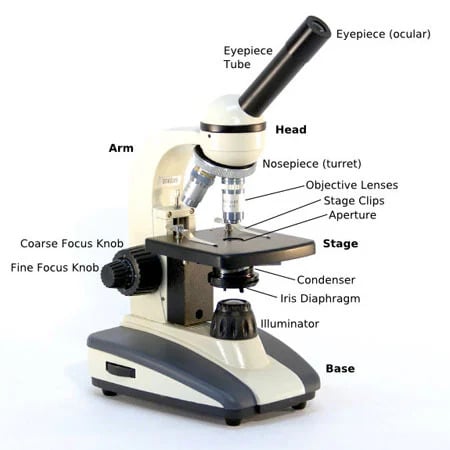
A high power or compound microscope achieves higher levels of magnification than a
stereo or low power microscope. It is used to view smaller specimens such as cell structures
which cannot be seen at lower levels of magnification.
May 18, 2012
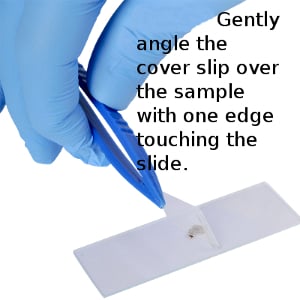
Before you start building your slides, make sure you have everything you will need, including slides, cover slips, droppers or pipets and any chemicals or stains you plan to use.
May 22, 2012
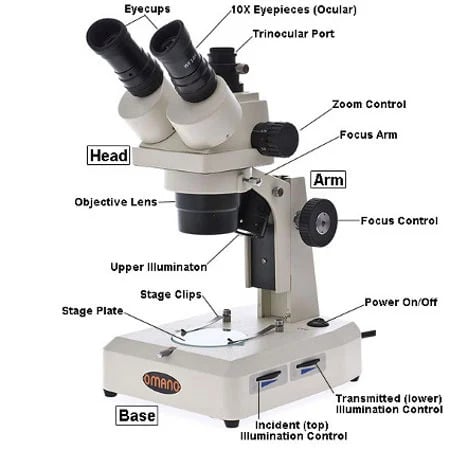
A low power or stereo microscope typically employs objective lenses of 50x or less. It is used to view specimens that are visible to the naked eye such as insects, crystals, circuit boards and coins.
A stereo microscope has three key parts:
May 18, 2012


 Omano
Omano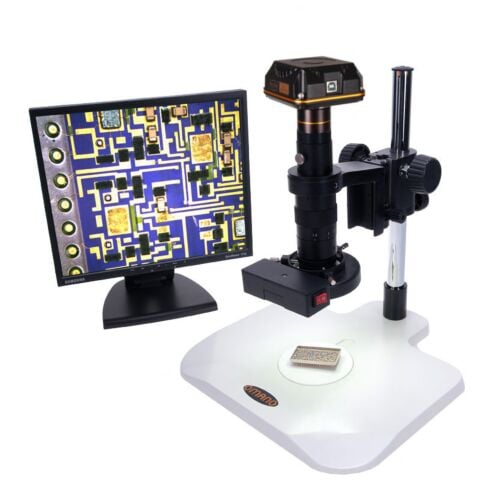 Omano
Omano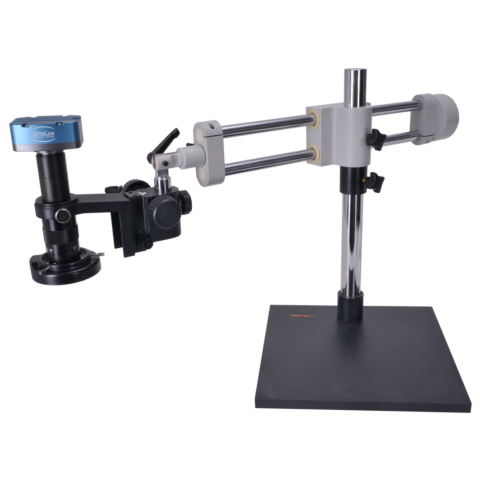 Omano
Omano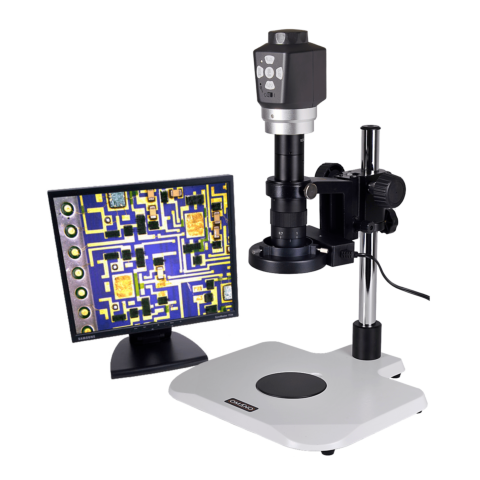 Omano
Omano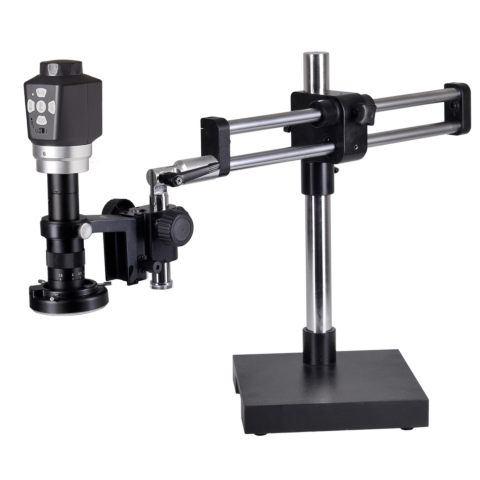 Omano
Omano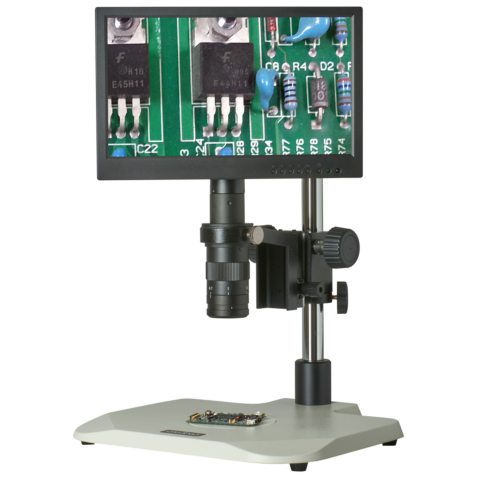 Omano
Omano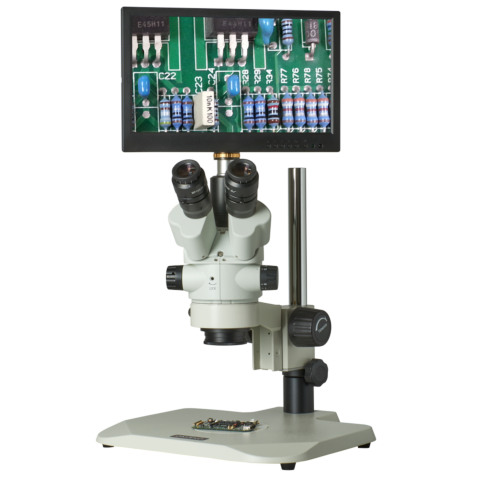 Omano
Omano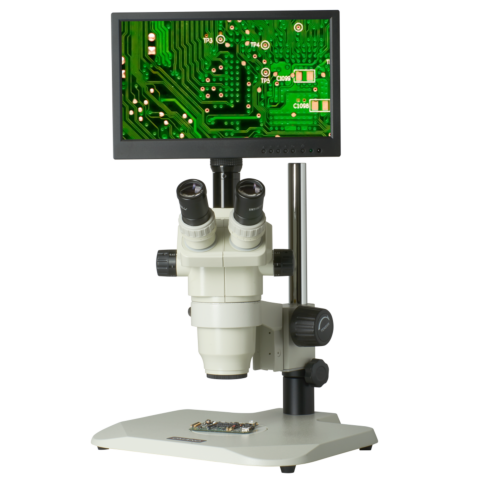 Omano
Omano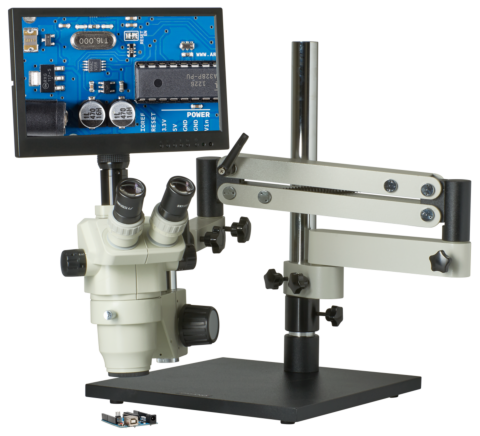 Omano
Omano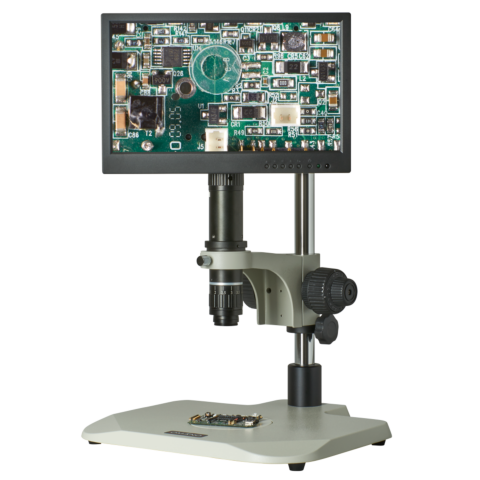 Omano
Omano